Fifteen Must-Read Books for Earth Month 2026

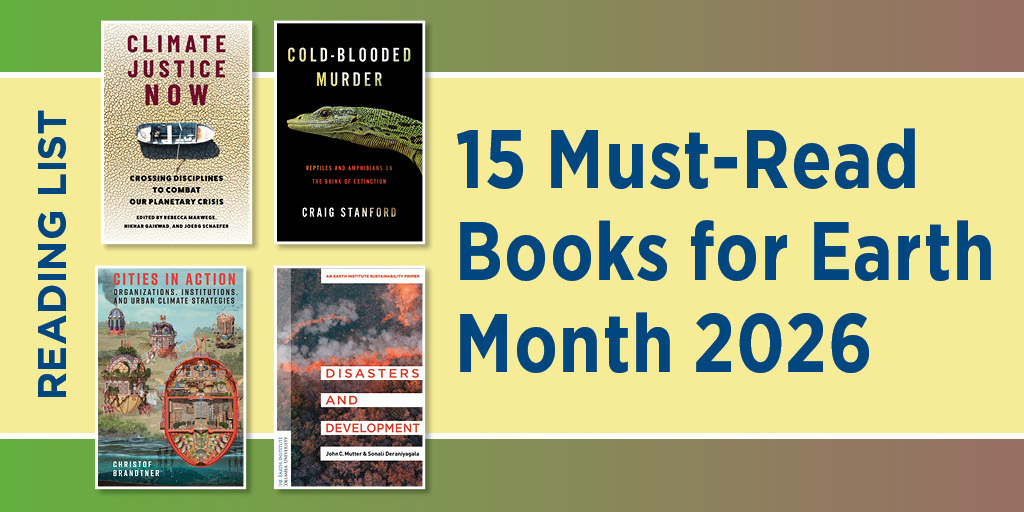
Featured graphic titled “15 Must-Read Books for Earth Month 2026” with a vertical “Reading List” label on the left. Four book covers are shown: Climate Justice Now, Cold-Blooded Murder, Cities in Action, and Disasters and Development. Background uses green and beige tones.

Build your understanding of climate change and climate action during Earth Month! This year’s theme centers on renewable energy, but protecting the Earth spans a wide range of approaches—from climate advocacy and scientific research to conservation and disaster preparedness. These fifteen books explore how people, communities, and cities are taking action on climate change, examining how it intersects with social, political, and environmental systems. Together, they offer a broad view of the challenges we face and the efforts underway to respond to a changing planet.

Climate Advocacy and Philosophy

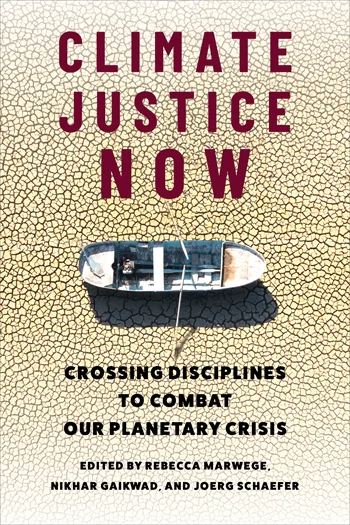
Climate Justice Now
Crossing Disciplines to Combat Our Planetary Crisis

Edited by Rebecca Marwege, Nikhar Gaikwad, and Joerg Schaefer

Climate change is not only an environmental crisis but also a catalyst for worsening socioeconomic inequalities, leading to widespread calls for “climate justice.” This multidisciplinary book offers a comprehensive exploration of debates on climate justice across the natural sciences, social sciences, and humanities. Featuring a wide range of voices and actionable recommendations, Climate Justice Now illuminates how scholarship on climate change can become a call to action.

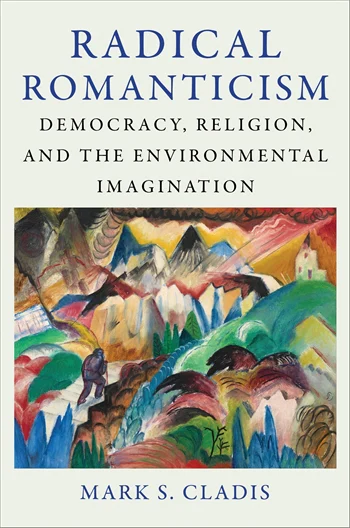
Radical Romanticism
Democracy, Religion, and the Environmental Imagination

Mark S. Cladis

Romanticism is often reduced to nostalgic pastoralism and solitary contemplation of the sublime. But a radical strand of Romantic writers and thinkers offered sweeping political, ecological, and religious critiques of capitalism, racism, settler colonialism, and environmental destruction. Interweaving canonical nineteenth-century authors with Black and Indigenous thinkers who transformed their work, Radical Romanticism is a bold new account of Romanticism for today’s deeply entrenched crises. Bringing together environmental humanities, literary theory, political theory, and religious studies, it makes the case for a renewed radical Romanticism, offering urgent resources for a world beset by catastrophe, uncertainty, and despair.

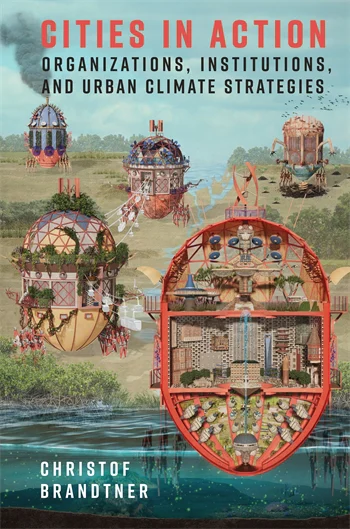
Cities in Action
Organizations, Institutions, and Urban Climate Strategies

Christof Brandtner

Why do some cities take bold action to address climate change while others remain on the sidelines? In Cities in Action, Christof Brandtner shows that city climate action is not simply a matter of political will: It is an organizational problem. Drawing on comparative research spanning fifteen years and thousands of cities around the world, Brandtner traces how environmental strategies, sustainability practices, and green building initiatives emerge, diffuse, and take hold. By combining lenses from urban theory and organizational sociology, he sheds light on how cities navigate their social and institutional environments to meet the climate challenge.

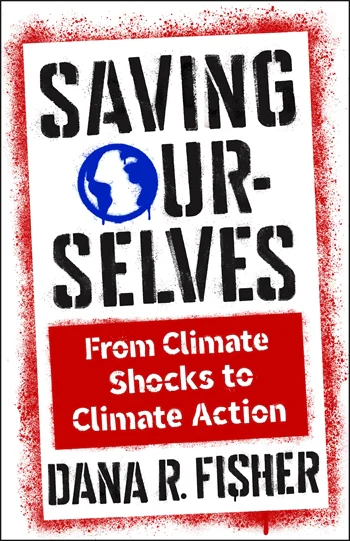
Saving Ourselves
From Climate Shocks to Climate Action

Dana R. Fisher

We’ve known for decades that climate change is an existential crisis. For just as long, we’ve seen the complete failure of our institutions to rise to the challenge. In Saving Ourselves, Dana R. Fisher argues that there is a realistic path forward for climate action—but only through mass mobilization that responds to the growing severity and frequency of disastrous events. Clear-eyed yet optimistic, this book offers timely insights on how social movements can take power back from deeply entrenched interests and open windows of opportunity for transformative climate action.

Climate Science

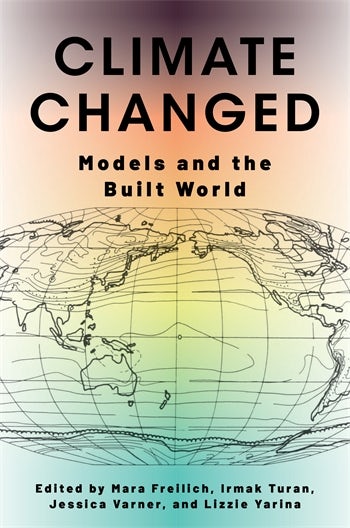
Climate Changed
Models and the Built World

Edited by Mara Freilich, Irmak Turan, Jessica Varner, and Lizzie Yarina

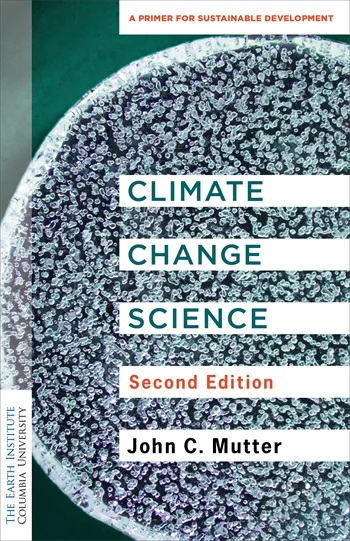
Climate Change Science is a primer on the fundamental science of climate change and climate prediction, now updated to reflect the latest research. This second edition incorporates updates to the science that have occurred since the book’s original publication, including the most recent IPCC Assessment Report. It also features a new chapter on geoengineering, exploring proposals to mitigate or even reverse climate change by reducing the amount of solar radiation that reaches Earth or directly removing carbon dioxide from the atmosphere.

Climate Change Science
A Primer for Sustainable Development, Second Edition

John C. Mutter

Climate Changed examines models and their imperfect yet central role in understanding the relationship between global climate dynamics and the human-built environment. This book considers how disparate models are woven together to understand the climate crisis, underscoring the necessity of combining locally situated and transdisciplinary knowledge with climate science to navigate current and future cataclysmic changes. As the world faces the effects of climate change, climate scientists are debating the future of their field; architects, engineers, and planners are designing in the context of climate change; and society at large is grappling with how to take action. This book brings those communities together to chart a path forward.

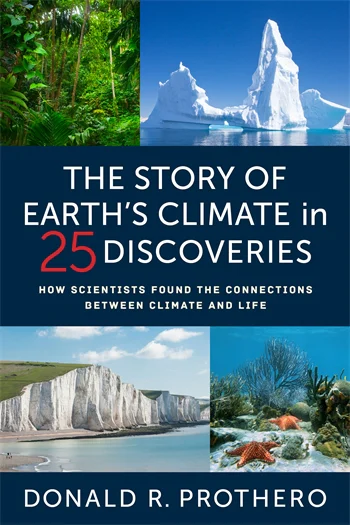
The Story of Earth’s Climate in 25 Discoveries
How Scientists Found the Connections Between Climate and Life

Donald R. Prothero

In this lively and entertaining book, Donald R. Prothero explores the astonishing connections between climate and life through the ages, telling the remarkable stories of the scientists who made crucial discoveries. Prothero concludes with the Ice Ages and the Holocene, the role of climate in human history, and the perils of anthropogenic climate change. Understanding why the climate has changed in the past, this timely book shows, is essential to grasping the gravity of how radically human activity is altering the climate today. Read about Earth’s ancient climate in this blog post.

Conservation

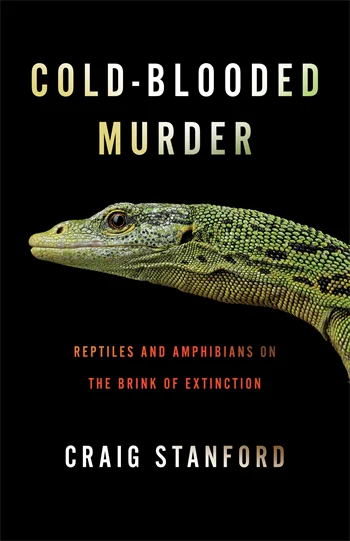
Cold-Blooded Murder
Reptiles and Amphibians on the Brink of Extinction

Craig Stanford

Craig Stanford tells the captivating stories of dozens of endangered reptiles and amphibians, depicting the ecological roles and unique characteristics of each species. He takes readers on a globe-spanning journey, revealing the diversity and beauty of the creatures with whom we share our world. He also highlights conservation projects that are protecting critically endangered animals, sharing inspiring success stories while acknowledging the difficulty of saving species. This gripping and poignant book shows why we should be fascinated by reptiles and amphibians—and strive to prevent their extinction. Learn about how poachers endanger new species discoveries in this blog post.

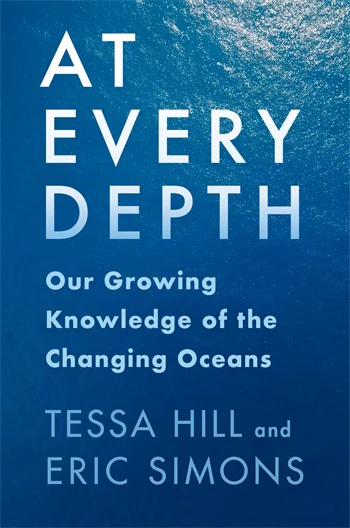
At Every Depth
Our Growing Knowledge of the Changing Oceans

Tessa Hill and Eric Simons

Oceanographer Tessa Hill and science journalist Eric Simons profile efforts to understand and protect marine environments, taking readers to habitats from shallow tidepools to the deep sea. At Every Depth brings together varied viewpoints, showing how scientists’ research and local and Indigenous knowledge can complement each other to inform a more sustainable future. Poignantly written and grounded in science, this book offers a narrative perspective on the changing oceans, showing how our relationships with them are changing too. Read more in this Q&A with Tessa Hill.

River Profiles
The People Restoring Our Waterways

Pete Hill

A twenty-year veteran of the field of watershed restoration provides a deep dive into the world of river and stream conservation. He profiles the practitioners, scientists, and activists from all walks of life who take part in restoration efforts, exploring their differing, sometimes controversial approaches. At once personal and learned, insightful and inspiring, this book shines a light on the people working to heal our streams and rivers. Learn more in this Q&A with Hill.

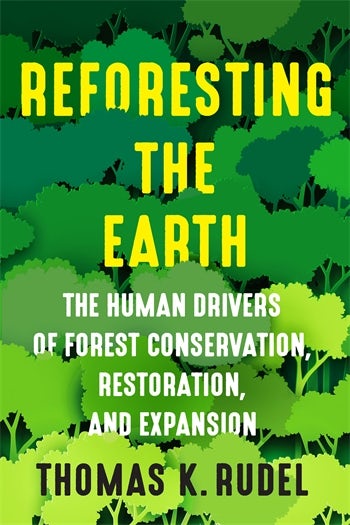
Reforesting the Earth
The Human Drivers of Forest Conservation, Restoration, and Expansion

Thomas K. Rudel

Forests offer a natural solution to the climate crisis. Conserving and expanding them not only removes carbon from the atmosphere but also protects and fosters biodiversity. Yet the results of elite-driven reforestation initiatives have been disappointing, and in many world regions deforestation continues relentlessly. In Reforesting the Earth, Thomas K. Rudel examines a wide range of conservation and reforestation efforts to shed new light on the social factors that lead to success. Timely and accessible, this book offers a guide to scaling up local efforts to sequester carbon and makes a powerful case for a global reforestation movement. Read about how a group of Indigenous people protected large forests in this blog post.

Natural Disasters

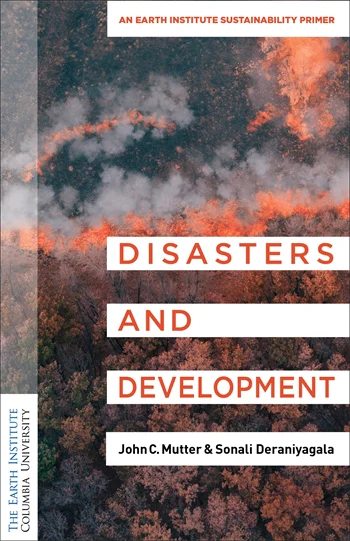
Disasters and Development
An Earth Institute Sustainability Primer

John C. Mutter and Sonali Deraniyagala

In a warming world, climate-related disasters threaten to become even more hazardous. This primer provides readers with a fundamental understanding of disasters and their consequences. John C. Mutter and Sonali Deraniyagala—a natural scientist and an economist—share their expertise in straightforward language, showing why an interdisciplinary approach is necessary to understand the causes and effects of these multifaceted events. Disasters and Development will be useful for undergraduate and graduate courses and is relevant and accessible to practitioners and other interested readers.

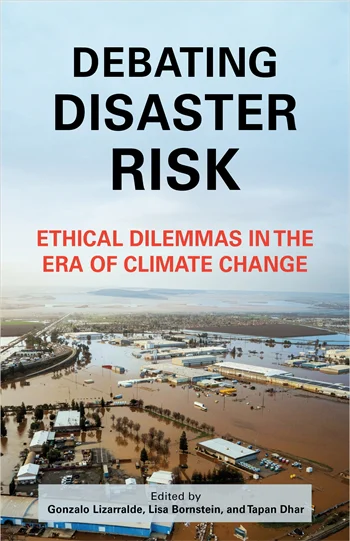
Debating Disaster Risk
Ethical Dilemmas in the Era of Climate Change

Edited by Gonzalo Lizarralde, Lisa Bornstein, and Tapan Dhar

Dealing with the risks of climate change and disaster is a political process. It produces winners and losers, mobility and permanence, radical change and continuity, relief and suffering. Debating Disaster Risk brings together leading global experts to explore the controversies that emerge—and the tough decisions that must be made—when cities, people, and the environment are at risk. A valuable resource for scholars, students, and practitioners in a variety of fields, this book provides an in-depth analysis of the difficult choices we face in dealing with disasters.

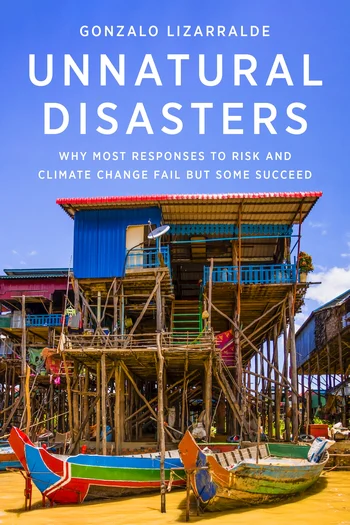
Unnatural Disasters
Why Most Responses to Risk and Climate Change Fail but Some Succeed

Gonzalo Lizarralde

Storms, floods, fires, tsunamis, earthquakes, tornadoes, and other disasters seem not only more frequent but also closer to home. Unnatural Disasters offers a new perspective on our most pressing environmental and social challenges, revealing the gaps between abstract concepts like sustainability, resilience, and innovation and the real-world experiences of people living at risk. Gonzalo Lizarralde shows that most reconstruction and risk-reduction efforts exacerbate social inequalities. Some responses do produce meaningful changes, but they are rarely the ones powerful leaders have in mind. Read an excerpt about the president’s dream from the book.

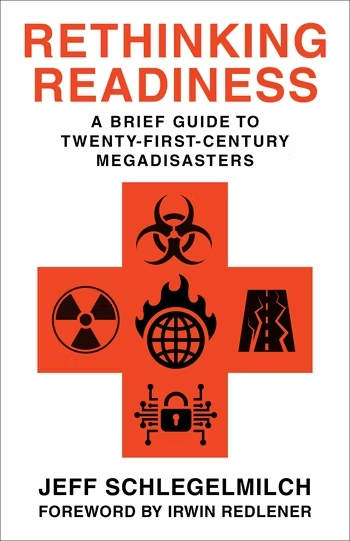
Rethinking Readiness
A Brief Guide to Twenty-First-Century Megadisasters

Jeff Schlegelmilch. Foreword by Irwin Redlener.

Rethinking Readiness offers an expert introduction to human-made threats and vulnerabilities, focusing on opportunities to reimagine how we approach disaster preparedness. Jeff Schlegelmilch identifies and explores the world’s most critical threats, detailing the dangers of pandemics, climate change, infrastructure collapse, cyberattacks, and nuclear conflict. The book highlights the potential for building resilient, adaptable, and sustainable systems to better respond to and recover from future crises. Read more about this new approach to disaster preparedness in this blog post.

Leave a Reply