10 Must-Read Books for National Poetry Month 2026
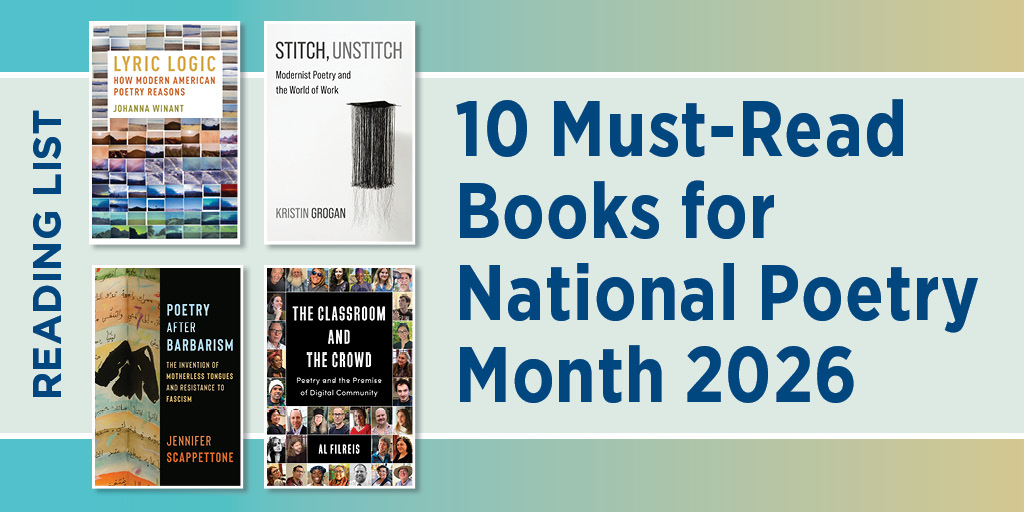
April marks the thirtieth anniversary of National Poetry Month, launched by the Academy of American Poets to celebrate poetry’s vital role in our culture. To mark the occasion, we’ve curated a reading list that explores poetry as shaped by work, logic, community, history, and language. Spanning periods and geographies, experiences of privilege and of oppression, these books show how poems are entangled in broader social and intellectual worlds and how they bring people together through shared reading, teaching, and performance. From modernist debates about labor and reasoning to digital pedagogy, from premodern traditions in Japan and China to contemporary writing shaped by the climate crisis, this collection offers a wide-ranging account of poetry’s forms, histories, and possibilities.
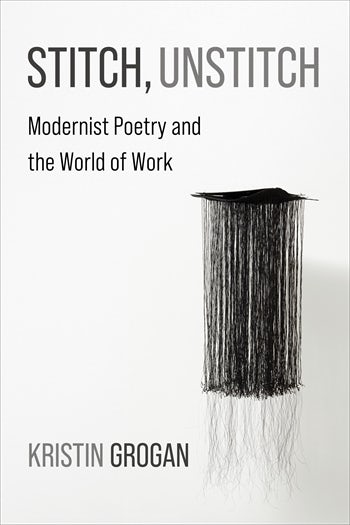
Stitch, Unstitch
Modernist Poetry and the World of Work
Kristin Grogan
The labor of literature is often thought of as a specialized craft, distinct from everyday work. In Stitch, Unstitch, Kristin Grogan traces an alternative vision of writing and the writer, arguing that modernist poetry was deeply shaped by ordinary labor and the people who performed it. Poetic form, Grogan shows, offers ways to reflect on the meaning and worth of labor, particularly types of gendered labor that are typically unseen and undervalued. Blending Marxist and feminist theory with attentive close readings, Stitch, Unstitch is a revelatory materialist account of the values of poetry.
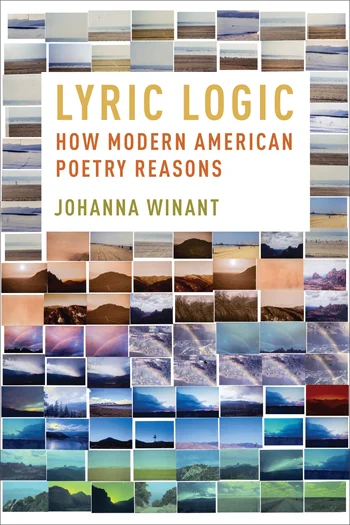
Lyric Logic
How Modern American Poetry Reasons
Johanna Winant
Between the Civil War and the Cold War, American literary modernism and philosophy both grappled with the challenge of novelty and the chance to make it new. Bringing together modern poetry’s aesthetic experimentation and modern philosophy’s attention to the problem of induction, Lyric Logic argues that poems use logical form as literary form. The modern poem can be characterized by its logic: details that appear fragmentary add up to sense-making.
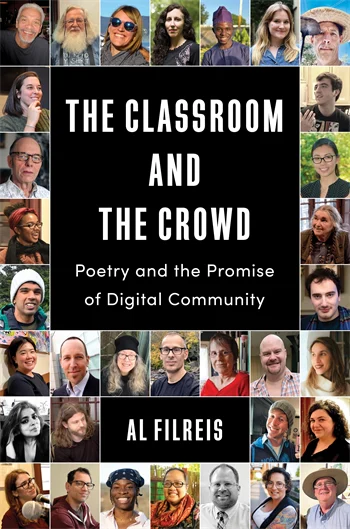
The Classroom and the Crowd
Poetry and the Promise of Digital Community
Al Filreis
For more than a decade, Al Filreis has taught a free online course about experimental poetry, known as “ModPo,” that has drawn some 435,000 students from 179 countries. In The Classroom and the Crowd, Filreis reflects on his decades of experience as a founder of participatory literary communities and teacher of online courses, demonstrating that student-centered education offers new possibilities for humane social networking. Introducing readers to ModPo participants and their open-ended, round-the-clock conversations, he shows how online learning can not only be accessible and educational but also deepen our commitment to democracy.
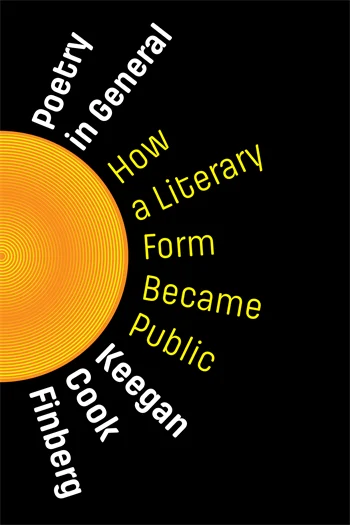
Poetry in General
How a Literary Form Became Public
Keegan Cook Finber
In the second half of the twentieth century, poetry leapt out of books and became an interdisciplinary public form. Poetry in General explores how poets expanded their practice into the realms of politics, work, and everyday life from 1960 to the present, from the apex of the welfare state to an era of privatization and austerity. A new literary and institutional history of postwar poetics, this book shows how poetic experiments address the privatization of collective life and rethink the category of the public.
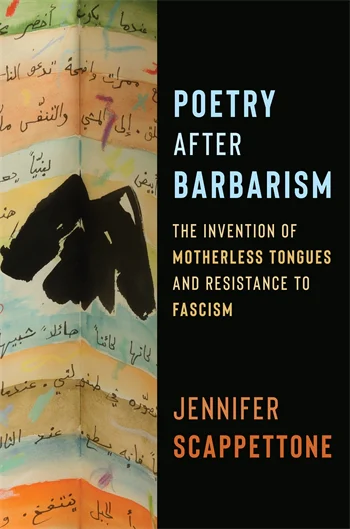
Poetry After Barbarism
The Invention of Motherless Tongues and Resistance to Fascism
Jennifer Scappettone
Against a backdrop of xenophobic and ethnonationalist fantasies of linguistic purity, Poetry After Barbarism uncovers a stateless, polyglot poetry of resistance—the poetry of motherless tongues. Jennifer Scappettone traces the aesthetic and geopolitical resonance of “xenoglossic” poetics: poetry composed in the space of contestation between national languages, concretizing dreams of mending the ruptures traced to the story of Babel. Studying experiments between languages by immigrant, refugee, and otherwise stateless authors, this book explores how poetry can both represent and jumpstart the metamorphosis of the shape and sound of citizenship, modeling paths toward alternative republics in which poetry might assume a central agency.
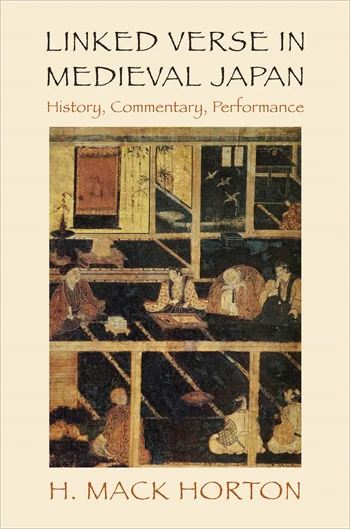
Linked Verse in Medieval Japan
History, Commentary, Performance
H. Mack Horton
Linked verse (renga) was the most popular form of poetry in Japan’s medieval era (c. 1200–1600 CE). The masters were often invited at great expense to warrior domains to preside at linked-verse sessions and provide instruction in the art and in allied works of the classical canon, such as The Tale of Genji. This book is the most comprehensive work in English on premodern Japanese linked verse. It includes a history of the genre in both its formal (ushin) and unorthodox (haikai) manifestations up through the time of Bashō, an introduction to linked-verse composition and commentaries, and an overview of the art’s performative aspects. Wide-ranging and erudite, Linked Verse in Medieval Japan is a masterful account of the history, theory, and practice of one of Japan’s great art forms.
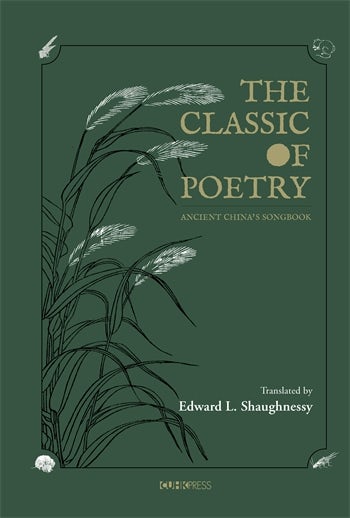
The Classic of Poetry
Ancient China’s Songbook
Translated by Edward L. Shaughnessy
Published by The Chinese University of Hong Kong Press
The Classic of Poetry (Shijing), also known as the “Mao Poetry” (Mao Shi), is the oldest existing collection of poetry in China, or indeed anywhere in the world. In this volume, eminent sinologist Edward L. Shaughnessy presents a complete English translation of the 305 discrete poems from the Classic of Poetry, divided into the Feng 風 “airs,” Ya 雅 “odes,” and Song 頌 “hymns.” Combining the received text with newly unearthed manuscript discoveries, Shaughnessy offers a modern, authoritative interpretation that departs from the dated translations of earlier scholars.
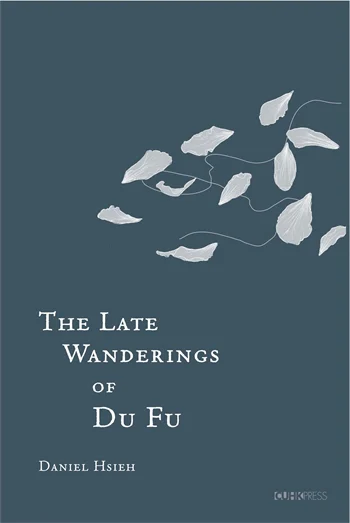
History remembers Du Fu (712–70) as the Confucian poet-sage, but why would he abandon his official post to wander the remote fringes of the Tang empire? This exploration of Du Fu’s late wanderings reveals the restless spiritual and intellectual journey that mirrored his seemingly directionless, perplexing physical travels. Moving beyond traditional portrayals, The Late Wanderings of Du Fu uncovers a complex figure torn between north and south, service and retreat, and the truths of the Three Teachings.
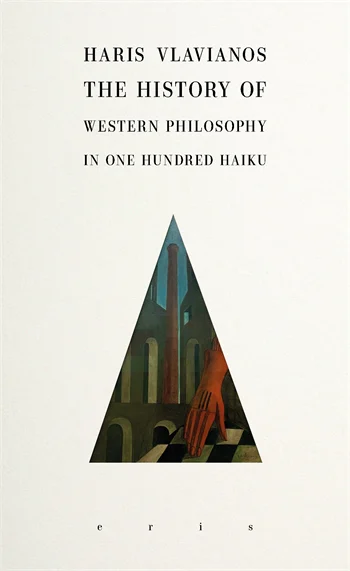
The History of Western Philosophy in 100 Haiku
Haris Vlavianos. Translated by Peter Mackridge
Published by Eris
A whirlwind tour of two and a half millennia—told in 100 razor-sharp haiku. In this audacious pocket history, celebrated Greek poet Haris Vlavianos compresses Western philosophy from Thales to Nussbaum into crystalline 5-7-5 bursts. Rendered into live, witty English by Peter Mackridge, The History of Western Philosophy in 100 Haiku is a perfect gift for the philosophically curious, the poetry-obsessed, and anyone who likes their big ideas distilled to their brightest essence.
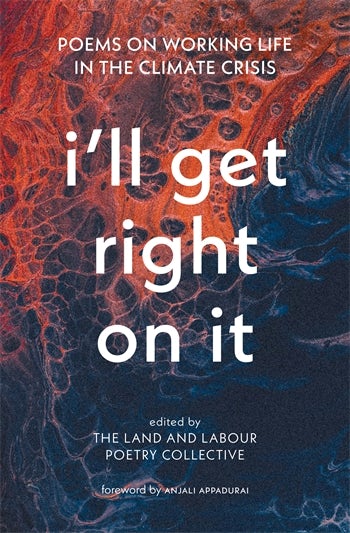
I’ll Get Right On
Poems on Working Life in the Climate Crisis
Edited by the Land and Labour Poetry Collective. Foreword by Anjali Appadurai
Published by Roseway Publishing, an imprint of Fernwood Publishing
I’ll Get Right On It is a poetry anthology about making a living and carrying on despite smoky air, fires, climate grief, species loss, and increased precarity. Contributors include Indigenous, migrant, racialized, low-income, queer, disabled, and unpaid laborers who do all kinds of work, including climate-related, extractive, migrant, gig, care and service, and traditional work. Connecting the dots between labor and environment, this anthology invites us to think and feel through the many ways climate change transforms our working lives.
Categories:Asian LiteratureLiterary StudiesNational Poetry MonthPoetryReading List
Tags:Al FilreisAncient China's SongbookAnjali AppaduraiDaniel HsiehEdward L. ShaughnessyH. Mack HortonHaris VlavianosI’ll Get Right OnJennifer ScappettoneJohanna WinantKeegan Cook FinbergKristin GroganLinked Verse in Medieval JapanLyric LogicNational Poetry month 2026Peter MackridgePoems on Working Life in the Climate CrisisPoetry After BarbarismPoetry in GeneralStitch UnstitchThe Chinese University of Hong Kong PressThe Classic of PoetryThe Classroom and the CrowdThe History of Western Philosophy in 100 HaikuThe Late Wanderings of Du Fu